Minneapolis Commercial Printing
Request a quote, upload your print files, or call MSE Printing for business cards, brochures, flyers, signs, banners, labels, packaging, direct mail, and commercial printing in Minneapolis and the Twin Cities.
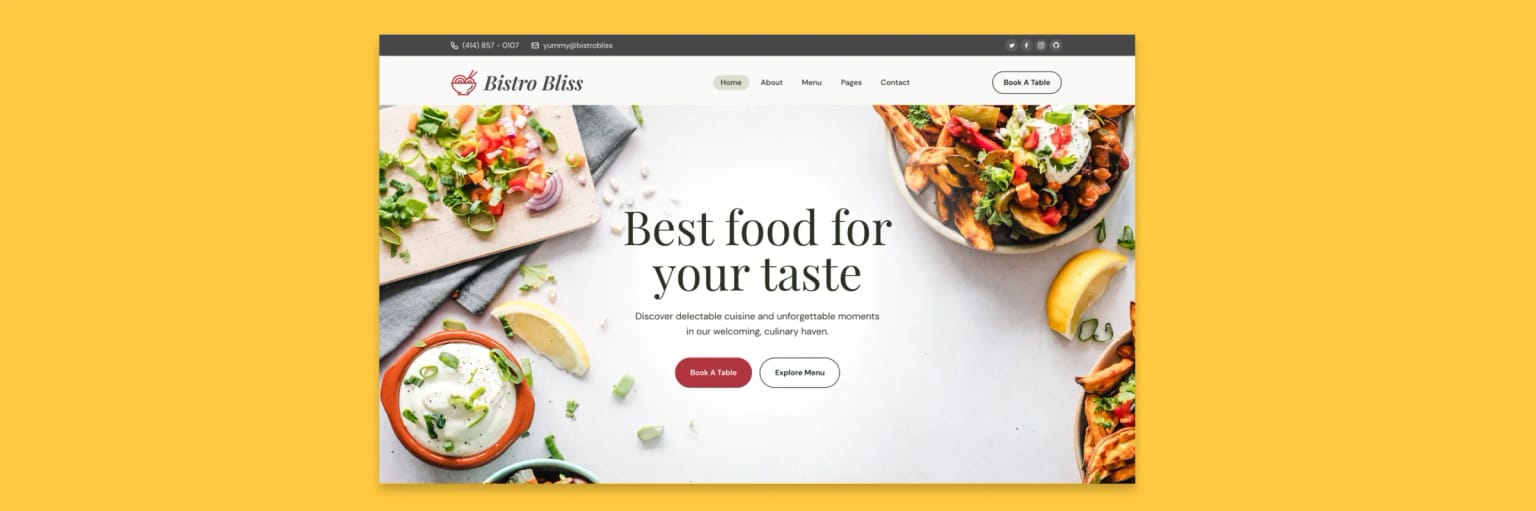
Your website is the face of your brand online. At MSE Printing in Minneapolis, Minnesota (3839 Washington Ave N Ste 103), we design responsive, ADA-friendly, SEO-ready sites with clean IA, fast Core Web Vitals, structured data, and clear CTAs.
Request a Quote in Minneapolis, MN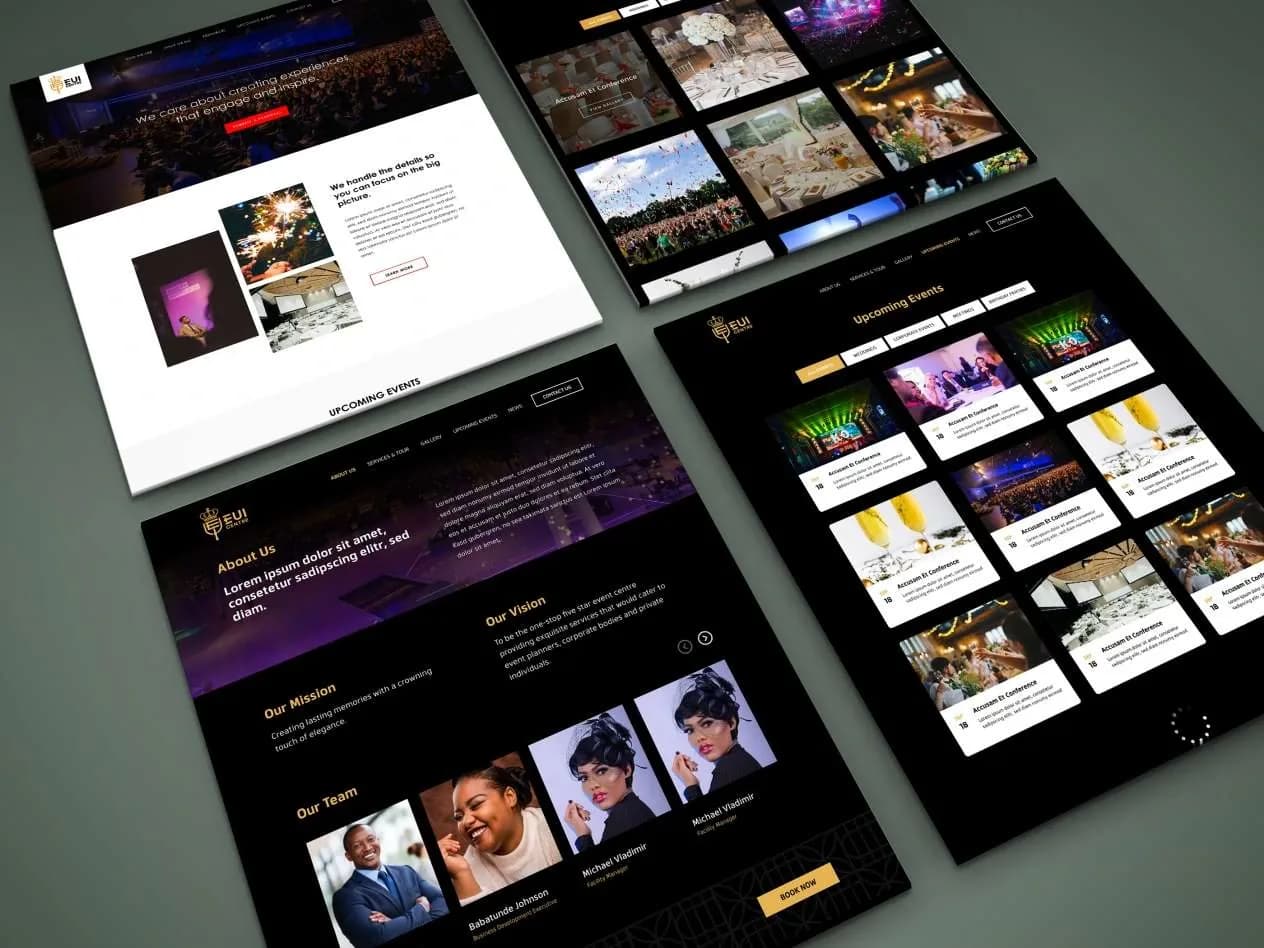
In a market where online interactions often decide the sale, professional web design shapes perception, usability, and growth. A thoughtful interface establishes credibility, fast performance keeps attention, and focused journeys convert browsers into buyers. Done right, design aligns strategy, content, and technology—so every page supports your goals, from discovery to decision. At MSE Printing in Minneapolis, Minnesota (3839 Washington Ave N Ste 103, USA), we build sites that balance beauty with technical precision: Next.js + Tailwind for speed, ADA-friendly patterns for accessibility, structured data for rich results, and search-ready architecture with clean internal links, self-canonicals, XML sitemaps, and robots.txt. The result is a responsive experience that looks great, loads fast, and earns visibility—helping your business get found in Minnesota and across the USA.
At MSE Printing—3839 Washington Ave N Ste 103, Minneapolis, MN 55412—we deliver full-service, custom websites engineered for growth, crawlability, and conversion. Whether you need a focused single-page build or a multi-page platform with ecommerce, booking, blogs, and customer portals, we design clean, modern interfaces that align with brand, audience, and KPIs. Our collaborative process covers strategy, content architecture, wireframes, and UX writing, then moves into Next.js + Tailwind + TypeScript development with semantic HTML, WCAG 2.2 AA accessibility, and Core Web Vitals performance (fast LCP/INP/CLS). Every site ships SEO-ready: logical IA and internal links, descriptive slugs, self-canonical tags, XML sitemap and robots.txt, structured data (WebSite, Organization/LocalBusiness, BreadcrumbList, Article/FAQPage), Open Graph/Twitter cards, and analytics (GA4 + Search Console). We optimize images with next/image, lazy-load noncritical assets, set CDN caching and ISR/revalidate, and implement 301s to prevent soft-404s during redesigns. Optional integrations include Shopify/Stripe, Calendly/booking, CRM/lead capture, gated resources, and a secure Neon Postgres backend where needed. We provide secure hosting, HTTPS/HSTS and CSP hardening, uptime monitoring, and ongoing maintenance so your site stays fast and indexable. Whether launching new or refreshing an outdated property, you’ll get a responsive, mobile-first experience built to rank in Minneapolis, Minnesota, and across the USA—today and as your business evolves.
A: Yes. Our redesigns begin with an audit: architecture, content, speed, accessibility, analytics, and SEO health. We identify what to keep, what to fix, and what to retire, then propose a new IA, high-fidelity designs, and a measured migration plan. On launch, we preserve rankings with 301 redirects, clean canonicals, XML sitemap refresh, and Search Console verification. Post-launch, we monitor Core Web Vitals and key pages to ensure improvements stick. The result is a site that looks modern, reads clearly, and converts better—without losing hard-won search equity.
A: We’ll advise and set up best-fit hosting (e.g., Vercel/Netlify for Next.js, premium WordPress hosts for PHP), connect your domain/DNS, issue HTTPS certificates, and configure CDN caching. You retain ownership of both hosting and domain for full control. We also configure security headers (HSTS/CSP), daily backups, and uptime monitoring. Prefer to keep your current provider? We’ll harden it and document settings so performance and reliability improve without changing vendors.
A: Typical timelines range from 2–6 weeks depending on scope. A focused brochure site may take ~2–3 weeks; multi-page or ecommerce builds with integrations trend toward 4–6+ weeks. Our cadence: discovery and IA (days 1–5), design system and key templates (days 6–14), development (days 15–28), content load and QA (days 29–35), and launch with analytics/SEO checks (final week). If you have a fixed date, we’ll scope a phased MVP so you launch on time with a clear backlog for post-launch enhancements.
A: Absolutely. We design mobile-first with fluid layouts, tap-target spacing, accessible navigation, and responsive images (srcset/sizes). We optimize for fast interaction on cellular networks—deferred scripts, font loading strategies, and minimal layout shifts—so pages feel instant. Google’s mobile-first indexing and users’ expectations both demand this. You’ll review mobile comps during design and we’ll QA across popular iOS/Android devices before launch.
A: Yes. Maintenance plans cover core/platform updates, security patches, backups, uptime monitoring, and small content edits. We also offer growth retainers for A/B testing, SEO improvements, landing page builds, and performance tuning as your traffic scales. Every plan includes a ticketing channel with defined SLAs, monthly reports, and a roadmap so improvements are proactive—not reactive.
A: Yes. We configure Shopify or WooCommerce (or headless commerce with a Next.js front end) to deliver fast product pages, secure checkout, tax/shipping rules, and third-party integrations (reviews, subscriptions, ERP/ fulfillment). We prioritize conversion: clear product info, fast media, variant UX, trust badges, and streamlined cart flows. For existing stores, we can migrate products, customers, and orders while preserving SEO via URL mapping and redirects.
A: Foundational SEO is baked in: semantic HTML, clean URLs, self-canonicals, robots.txt, XML sitemap with lastmod, breadcrumb/internal linking, Open Graph/Twitter cards, and schema (Organization/LocalBusiness, WebSite, BreadcrumbList, Article/FAQPage as applicable). We craft page titles/meta descriptions, map keywords to intent, and set up Google Analytics 4 + Search Console. Post-launch, we review coverage and fix indexation issues, then iterate on content structure to capture more qualified traffic.
A: We design and test to WCAG 2.2 AA: color contrast, scalable typography, keyboard navigation, focus states, skip links, descriptive alt text, form labels, and ARIA where appropriate. Video gets captions/transcripts; interactive components receive accessible names and roles. We run automated checks plus manual keyboard/screen-reader passes, then document any exceptions with remediation plans. Accessible sites reach more users, reduce legal risk, and often convert better.
A: We set performance budgets and build for speed: code-splitting, route-level prefetching, HTTP/2/3, optimized images (AVIF/WebP via next/image), font subsetting, critical CSS, and caching headers. We also lazy-load noncritical scripts, remove render-blocking resources, and minimize layout shift. Before launch, we benchmark LCP/INP/CLS and fix regressions. Faster sites rank better, cost less to advertise, and convert more visitors.
A: Yes. Our team can write on-brand copy, produce photography, and create motion graphics/video to elevate key pages. We craft scannable headings, benefit-led messaging, FAQs for rich results, and clear CTAs. If you have a content team, we’ll provide page briefs, tone guidelines, and on-page SEO checklists so writing stays consistent and search-ready.
A: We implement GA4, Search Console, and privacy-friendly consent tools. Dashboards track traffic, sources, events (clicks, form submits), funnels, and top landing pages. For ecommerce, we add enhanced events (view_item, add_to_cart, begin_checkout, purchase). Monthly reviews translate data into actions—speed fixes, copy tests, internal link opportunities—so the site keeps improving post-launch.
A: We enforce HTTPS, strong authentication, least-privilege access, and regular updates. Security headers (HSTS, CSP, X-Frame-Options), WAF/CDN protections, and automated backups reduce risk. For forms and payments, we use vetted processors (PCI-compliant) and store minimal PII. We provide a cookie/consent banner where required and can help with privacy policies and data retention practices.
A: We inventory all existing URLs, map them to new routes, and implement 301 redirects to preserve link equity. Canonicals, hreflang (if used), and structured data are carried forward. We update internal links to avoid redirect chains, push a fresh XML sitemap, and submit in Search Console. After launch, we monitor crawl errors, coverage, and key rankings, resolving soft-404s or parameter issues quickly.
A: Pricing depends on scope: number of templates, custom components, integrations (CRM, ecommerce, booking), and content creation. We’ll provide a transparent estimate with line items for design, development, content, SEO, QA, and launch support. To maximize value, we often phase delivery—launch the essentials first, then add enhancements on a clear roadmap—so you start generating returns sooner.
A: You do. We assign ownership of the codebase, content, and design assets per contract, and we build on accounts you control (hosting, domain, analytics). Any third-party licenses (fonts, photos, plugins) are documented so your legal/brand teams know terms. We maintain a version-controlled repository and hand off credentials and documentation at project close.
A: Yes. Common integrations include HubSpot/Salesforce (lead capture and tracking), Calendly/booking systems, email platforms (Klaviyo/Mailchimp), live chat, review widgets, and inventory/ERP connectors. For custom workflows, we can build secure APIs or use middleware like Zapier/Make to automate tasks. Each integration is tested in staging and logged for future maintenance.
A: We implement local signals: complete NAP details, embedded maps, LocalBusiness schema, location pages with unique content, and internal links from services to locations. We also align your Google Business Profile(s), UTM-tag location posts, and add location-aware FAQs. For multi-location, we standardize templates and create a hub + child structure so each page can rank in its service area while staying on brand. Our office: 3839 Washington Ave N Ste 103, Minneapolis, MN 55412, USA.
A: We design and develop on the stack that best fits your goals. For content-heavy or marketing sites, we often use WordPress with a modern block editor and carefully vetted plugins. For commerce, Shopify (or WooCommerce when WordPress is preferred) provides secure carts, inventory, and payments. When you need speed, control, and developer-grade SEO, we recommend a custom Next.js + Tailwind + TypeScript build with a headless CMS (Sanity/Contentful/WordPress headless). This gives you lightning-fast performance, clean code, and total design freedom. We’ll walk you through pros/cons, costs, and scalability so the platform matches your roadmap—not just today’s feature list.
A: Yes. Our redesigns begin with an audit: architecture, content, speed, accessibility, analytics, and SEO health. We identify what to keep, what to fix, and what to retire, then propose a new IA, high-fidelity designs, and a measured migration plan. On launch, we preserve rankings with 301 redirects, clean canonicals, XML sitemap refresh, and Search Console verification. Post-launch, we monitor Core Web Vitals and key pages to ensure improvements stick. The result is a site that looks modern, reads clearly, and converts better—without losing hard-won search equity.
A: We’ll advise and set up best-fit hosting (e.g., Vercel/Netlify for Next.js, premium WordPress hosts for PHP), connect your domain/DNS, issue HTTPS certificates, and configure CDN caching. You retain ownership of both hosting and domain for full control. We also configure security headers (HSTS/CSP), daily backups, and uptime monitoring. Prefer to keep your current provider? We’ll harden it and document settings so performance and reliability improve without changing vendors.
A: Typical timelines range from 2–6 weeks depending on scope. A focused brochure site may take ~2–3 weeks; multi-page or ecommerce builds with integrations trend toward 4–6+ weeks. Our cadence: discovery and IA (days 1–5), design system and key templates (days 6–14), development (days 15–28), content load and QA (days 29–35), and launch with analytics/SEO checks (final week). If you have a fixed date, we’ll scope a phased MVP so you launch on time with a clear backlog for post-launch enhancements.
A: Absolutely. We design mobile-first with fluid layouts, tap-target spacing, accessible navigation, and responsive images (srcset/sizes). We optimize for fast interaction on cellular networks—deferred scripts, font loading strategies, and minimal layout shifts—so pages feel instant. Google’s mobile-first indexing and users’ expectations both demand this. You’ll review mobile comps during design and we’ll QA across popular iOS/Android devices before launch.
A: Yes. Maintenance plans cover core/platform updates, security patches, backups, uptime monitoring, and small content edits. We also offer growth retainers for A/B testing, SEO improvements, landing page builds, and performance tuning as your traffic scales. Every plan includes a ticketing channel with defined SLAs, monthly reports, and a roadmap so improvements are proactive—not reactive.
A: Yes. We configure Shopify or WooCommerce (or headless commerce with a Next.js front end) to deliver fast product pages, secure checkout, tax/shipping rules, and third-party integrations (reviews, subscriptions, ERP/ fulfillment). We prioritize conversion: clear product info, fast media, variant UX, trust badges, and streamlined cart flows. For existing stores, we can migrate products, customers, and orders while preserving SEO via URL mapping and redirects.
A: Foundational SEO is baked in: semantic HTML, clean URLs, self-canonicals, robots.txt, XML sitemap with lastmod, breadcrumb/internal linking, Open Graph/Twitter cards, and schema (Organization/LocalBusiness, WebSite, BreadcrumbList, Article/FAQPage as applicable). We craft page titles/meta descriptions, map keywords to intent, and set up Google Analytics 4 + Search Console. Post-launch, we review coverage and fix indexation issues, then iterate on content structure to capture more qualified traffic.
A: We design and test to WCAG 2.2 AA: color contrast, scalable typography, keyboard navigation, focus states, skip links, descriptive alt text, form labels, and ARIA where appropriate. Video gets captions/transcripts; interactive components receive accessible names and roles. We run automated checks plus manual keyboard/screen-reader passes, then document any exceptions with remediation plans. Accessible sites reach more users, reduce legal risk, and often convert better.
A: We set performance budgets and build for speed: code-splitting, route-level prefetching, HTTP/2/3, optimized images (AVIF/WebP via next/image), font subsetting, critical CSS, and caching headers. We also lazy-load noncritical scripts, remove render-blocking resources, and minimize layout shift. Before launch, we benchmark LCP/INP/CLS and fix regressions. Faster sites rank better, cost less to advertise, and convert more visitors.
A: Yes. Our team can write on-brand copy, produce photography, and create motion graphics/video to elevate key pages. We craft scannable headings, benefit-led messaging, FAQs for rich results, and clear CTAs. If you have a content team, we’ll provide page briefs, tone guidelines, and on-page SEO checklists so writing stays consistent and search-ready.
A: We implement GA4, Search Console, and privacy-friendly consent tools. Dashboards track traffic, sources, events (clicks, form submits), funnels, and top landing pages. For ecommerce, we add enhanced events (view_item, add_to_cart, begin_checkout, purchase). Monthly reviews translate data into actions—speed fixes, copy tests, internal link opportunities—so the site keeps improving post-launch.
A: We enforce HTTPS, strong authentication, least-privilege access, and regular updates. Security headers (HSTS, CSP, X-Frame-Options), WAF/CDN protections, and automated backups reduce risk. For forms and payments, we use vetted processors (PCI-compliant) and store minimal PII. We provide a cookie/consent banner where required and can help with privacy policies and data retention practices.
A: We inventory all existing URLs, map them to new routes, and implement 301 redirects to preserve link equity. Canonicals, hreflang (if used), and structured data are carried forward. We update internal links to avoid redirect chains, push a fresh XML sitemap, and submit in Search Console. After launch, we monitor crawl errors, coverage, and key rankings, resolving soft-404s or parameter issues quickly.
A: Pricing depends on scope: number of templates, custom components, integrations (CRM, ecommerce, booking), and content creation. We’ll provide a transparent estimate with line items for design, development, content, SEO, QA, and launch support. To maximize value, we often phase delivery—launch the essentials first, then add enhancements on a clear roadmap—so you start generating returns sooner.
A: You do. We assign ownership of the codebase, content, and design assets per contract, and we build on accounts you control (hosting, domain, analytics). Any third-party licenses (fonts, photos, plugins) are documented so your legal/brand teams know terms. We maintain a version-controlled repository and hand off credentials and documentation at project close.
A: Yes. Common integrations include HubSpot/Salesforce (lead capture and tracking), Calendly/booking systems, email platforms (Klaviyo/Mailchimp), live chat, review widgets, and inventory/ERP connectors. For custom workflows, we can build secure APIs or use middleware like Zapier/Make to automate tasks. Each integration is tested in staging and logged for future maintenance.
A: We implement local signals: complete NAP details, embedded maps, LocalBusiness schema, location pages with unique content, and internal links from services to locations. We also align your Google Business Profile(s), UTM-tag location posts, and add location-aware FAQs. For multi-location, we standardize templates and create a hub + child structure so each page can rank in its service area while staying on brand. Our office: 3839 Washington Ave N Ste 103, Minneapolis, MN 55412, USA.
Elevate your brand outreach with counter and pop-up displays that blend convenience, style, and durability. By investing in professional, portable exhibits, you’ll attract attention, spark interest, and convert prospects into loyal customers. Reach out to MSE Printing at info@mseprinting.com or call 763-542-8812 Launch with Impact to discuss your next display project.
Empower your presence—let our expert craftsmanship transform your counter and pop-up concepts into dynamic marketing assets that captivate any audience.